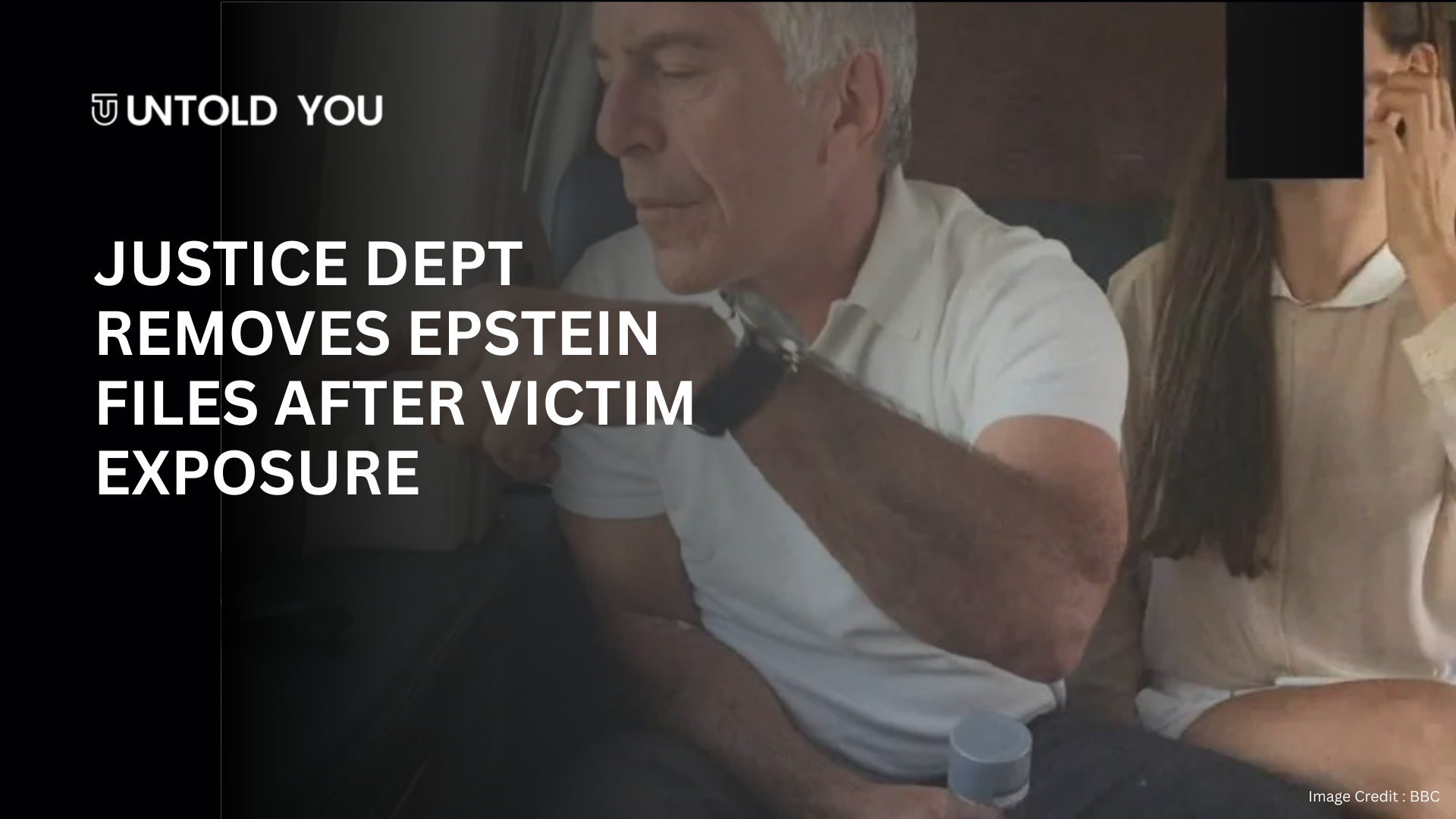
In a major development that has reignited controversy surrounding Jeffrey Epstein’s long-running legal saga, the U.S. Department of Justice (DOJ) announced it has temporarily removed several thousand documents and media files from its public website after it became clear that some of the released materials inadvertently included identifying information about victims of sexual abuse. (Business Insider)
The move comes amid growing outrage from survivors and their legal representatives, who say that the redaction process — intended to protect victims’ identities — failed in numerous instances, exposing names, photos, email addresses, and other highly sensitive personal data. (https://www.ktiv.com)
This development is a stark reminder of how difficult it can be to balance transparency with privacy in one of the most scrutinized sex trafficking cases in recent American history.
What Happened?
Late last month and continuing into the first week of February 2026, the DOJ began posting millions of pages of documents related to the federal investigation into Jeffrey Epstein, the disgraced financier and convicted sex trafficker who died in federal custody in 2019. (digital.abcaudio.com)
These disclosures were made under the Epstein Files Transparency Act, legislation passed by Congress to ensure public access to records about the extensive investigations into Epstein’s network, accomplices, and illegal activities. (Wikipedia)
As part of this release, the DOJ published over three million pages, with thousands of videos and images from case files that span decades of investigations and court proceedings. However, almost immediately after the release, survivors realized that numerous documents included their names or other personal information despite redaction efforts. (KPBS Public Media)
The Redaction Failure
The DOJ acknowledged that the removal of these documents was necessary because they “may have inadvertently included victim-identifying information,” attributing the oversight to technical or human error in the initial review and redaction process. (AP News)
According to a letter filed in court, roughly 9,500 documents were taken offline so that victims’ attorneys and government reviewers could reassess the files, apply proper redactions, and then repost the documents once they are deemed safe for public release. (Business Insider)
Deputy Attorney General Todd Blanche and U.S. Attorney Jay Clayton emphasized that the takedown was temporary and designed to protect victim privacy, not conceal wrongdoing or public interest information. (AOL)
Survivors’ Outrage and Legal Concerns
Victim advocates and legal representatives expressed deep concerns that the oversight could cause further psychological harm to survivors who had not publicly identified themselves. Lawyers for nearly 100 victims reportedly flagged “thousands of redaction failures,” saying that entire names, bank information, and other private identifiers were already accessible online before removal. (https://www.ktiv.com)
One legal filing noted that death threats, account closures, and emotional distress resulted from the premature exposure of sensitive details — development survivors described as “life-threatening.” (https://www.kktv.com)
The gravity of the situation led victim advocates to urge the federal judiciary to intervene more forcefully, even requesting a special master to oversee future redactions and prevent further breaches of personal information. (https://www.ktiv.com)
Balancing Transparency and Protection
The Epstein Files Transparency Act was crafted with the dual aim of revealing the scope of government investigations while safeguarding victims’ personal information. Under the law, the DOJ is required to release records unless doing so would harm victims or jeopardize ongoing prosecutions. (Wikipedia)
Yet even with these legal safeguards, the sheer volume of records — spanning millions of pages — has made ensuring complete redaction extremely challenging. DOJ officials noted that victims’ lawyers identified new names and potential identifiers only after the documents were already published, prompting additional rounds of redaction and review. (KPBS Public Media)
White House officials have pushed back against criticism, declaring that there is no evidence of political interference in the document release process, stressing that the department is committed to protecting victims while making as much information public as possible. (Business Insider)
Public Disclosure and Its Limits
The initial tranche of documents released earlier this year included references to high-profile individuals and generated intense interest from journalists, legal experts, and the public. However, the breach of victims’ privacy has largely overshadowed those revelations and raised questions about whether the DOJ can manage a transparent release without inadvertently causing harm. (digital.abcaudio.com)
Critics argue that the redaction failures not only risk re-traumatizing victims but also undermine confidence in government transparency initiatives. Many survivors remain deeply skeptical of the government’s ability to handle such sensitive material without error. (KPBS Public Media)
What Comes Next?
Officials have committed to revisiting the redaction process. Documents that were taken down are expected to be reposted with heightened protections once reviewed, a process that could take weeks or months given the scale of material involved. (Business Insider)
In the meantime, victims’ attorneys continue to pursue legal avenues to ensure that future releases do not repeat the same failures — including potential court orders that enforce stricter redaction standards or independent oversight. (https://www.ktiv.com)
This episode illustrates a broader tension in the justice system: how to honor survivors’ rights to privacy and dignity while fulfilling demands for openness in cases involving powerful figures and historic abuses.
Reference Link (Original Source)
For full details of the news covered:
👉 U.S. Justice Department removes thousands of Epstein documents after victim identifiers found — Business Insider: https://www.businessinsider.com/doj-jeffrey-epstein-removed-thousands-files-2026-2 (Business Insider)
Disclaimer
This blog post is based on verified news reports at the time of writing and aims to provide accurate, factual information. Names, identities, and details involving victims have been handled sensitively in the source material. The views expressed are informational and do not constitute legal, psychological, or professional advice.